Most Australian caravans use electric drum brakes. But disc brakes are growing in popularity. Here's what you need to know about both — and whether upgrading is worth it.
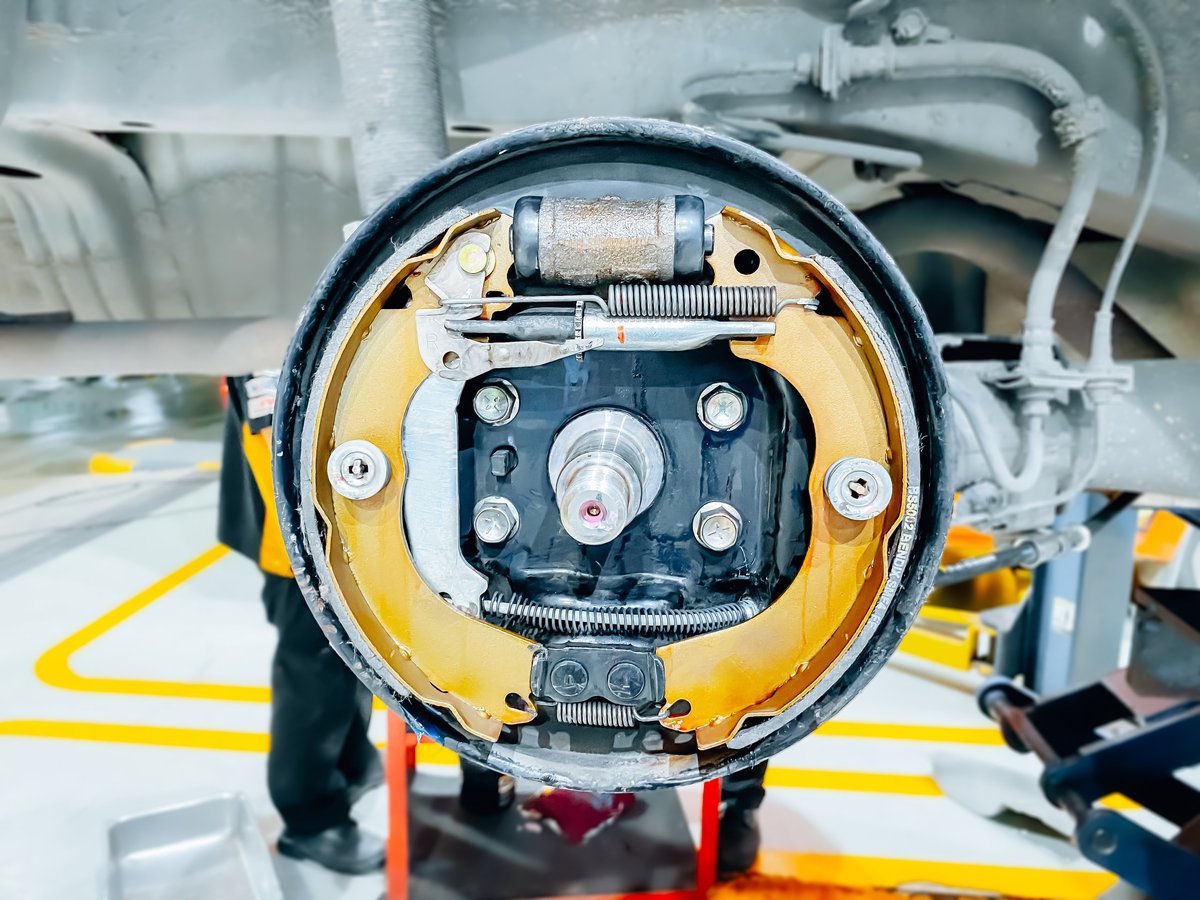
Brakes are arguably the most important safety system on your caravan — and yet most owners don't give them much thought until something goes wrong. If you're buying a new caravan, upgrading an existing one, or just curious about what's underneath your van, here's a clear breakdown of the two main brake types used in Australia.
Electric drum brakes have been the standard on Australian caravans for decades, and the vast majority of vans on the road today use them. The system works like this: when you press the brake pedal in your tow vehicle, a brake controller in the cab sends an electric current down the trailer wiring to electromagnets inside each brake drum. The magnets energise, grab the inside of the rotating drum, and apply braking force.
Electric drums require a brake controller in the tow vehicle and proper wiring to the trailer plug. They're relatively simple, widely supported by every workshop in the country, and inexpensive to maintain.
Hydraulic disc brakes work similarly to the brake system in your car. A caliper with hydraulic pistons squeezes brake pads against a rotating disc (rotor) attached to the wheel hub. The hydraulic pressure is generated either by an electric-over-hydraulic (EOH) actuator mounted on the caravan, or mechanically via an over-run coupling.
Disc brakes offer better stopping performance, particularly under repeated hard braking or when descending long grades. They handle heat more effectively, have fewer moving parts inside the wheel assembly, and are semi-self-clearing of road debris.
Under Australian Design Rules, caravans and trailers are classified by their Gross Trailer Mass (GTM):
It depends on how you use your caravan. For most families doing annual holidays and weekend trips on sealed roads with a van under 2,500 kg, a well-maintained electric drum system performs very adequately. If you regularly tow close to your vehicle's maximum capacity, frequently drive steep or winding roads, or take your van off-road, a disc brake conversion is worth serious consideration.
Alpine Caravan Services in Kilsyth offers electric brake controller installation, drum-to-disc conversions, and full brake system assessments.
Book Now